Objaśniona na Twoim poziomie
Zachowaj wszystkie wzory albo żaden. Ty wybierasz poziom szczegółowości.
Prześlij podręcznik lub inną trudną książkę. Otrzymasz ją objaśnioną na swoim poziomie, czytaną na głos, z rysunkiem do każdego zagadnienia.
Upuść tutaj książkę
EPUB, FB2, PDF, DjVu lub TXT, do 200 MB
Twój plik pozostaje prywatny
Ogniskowa f′ układu to odległość od jego tylnej płaszczyzny głównej H′ do tylnego ogniska F′. Dla cienkiej soczewki w powietrzu określają ją promienie krzywizny r₁, r₂ jej powierzchni oraz współczynnik załamania n szkła: 1/f′ = (n − 1)(1/r₁ − 1/r₂).
A lens is stronger when its glass is denser and its surfaces are more curved. Take ordinary glass, in which light travels one and a half times slower than in air, and curve both sides like a ball twenty centimetres across. Work it through and the focal length comes out at about ten centimetres: sunlight gathers into a point a palm's width behind the lens.
Zachowaj wszystkie wzory albo żaden. Ty wybierasz poziom szczegółowości.
Twoje urządzenie czyta każdy wykład na głos, bez opłat. Czytane zdanie jest wyróżnione w tekście.
Schematy i wykresy powstają krok po kroku, w rytm głosu.
Powiedz, z czym pracujesz, a przykłady wykorzystają Twoje narzędzia, nie cudze.
The same hard book is a different problem for a student before an exam and for an engineer on a deadline. Pick yours.
The textbook the course is built on, at a level you can follow tonight.
See howThe reference book of your field, at the depth today’s task needs.
See howRead into the neighbouring field without losing a month to its textbook.
See howSee a hard chapter explained five ways before you explain it yourself.
See howThe great hard books you always meant to read, finally followed to the end.
See howTen sam akapit na pięciu poziomach. Zanim cokolwiek powstanie, wybierzesz poziom na przykładzie akapitu z własnej książki.
Wzory opisane słowami, z rozwiązanym przykładem.
Soczewka jest mocniejsza, gdy jej szkło jest optycznie gęstsze, a powierzchnie bardziej zakrzywione. Weź zwykłe szkło, w którym światło porusza się półtora raza wolniej niż w powietrzu, i zakrzyw obie strony jak kulę o średnicy dwudziestu centymetrów. Po obliczeniu ogniskowa wyniesie około dziesięciu centymetrów: światło słoneczne skupia się w punkcie oddalonym od soczewki o szerokość dłoni.
Przykładowy akapit. Twój będzie pochodził z Twojej książki.
Add questions after each part, worked examples and a pointer back to the page. Each is optional. Try them here.
Question 1 of 3
You swap a lens for one of the same shape made of denser glass. What happens to the point where sunlight gathers?
Ordinary glass, in which light travels one and a half times slower than in air. Both sides are curved like a ball twenty centimetres across. How far behind the lens does sunlight gather?
The same glass, but now one side is flat and only the other is curved. Where does the light gather?
Chapter 2. The thin lens · pages 41–44
Starts at: «The focal length f′ of a system is the distance from its rear principal plane H′ to the rear focal point F′…»
Every part says which chapter and pages of your book it retells. Cite the book, not the retelling, and open the original where it matters.
An example. Yours are written from your own book, and a second model answers every question before you see it. Available in the player
Five hard passages, five styles, every drawing made by our stage. Pick one style and every scene of the book follows it.
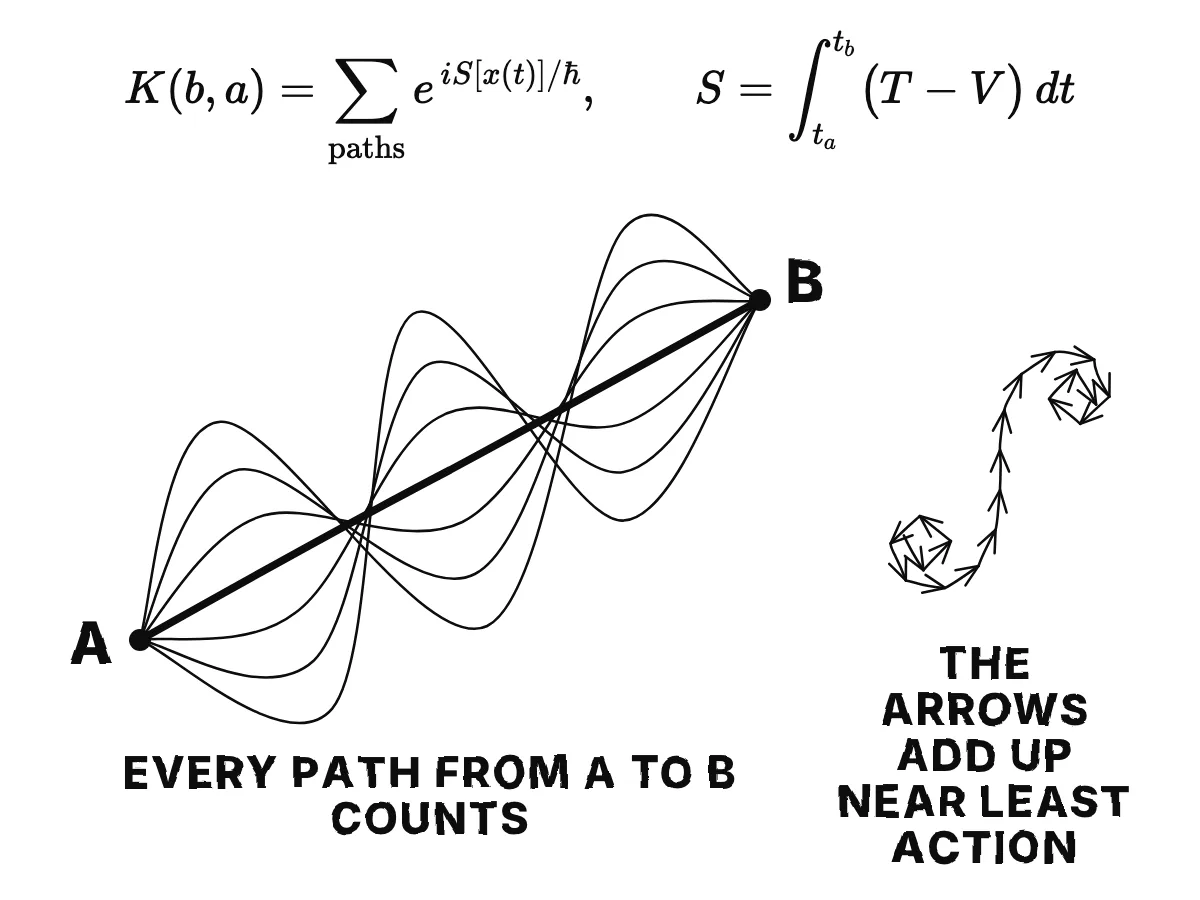
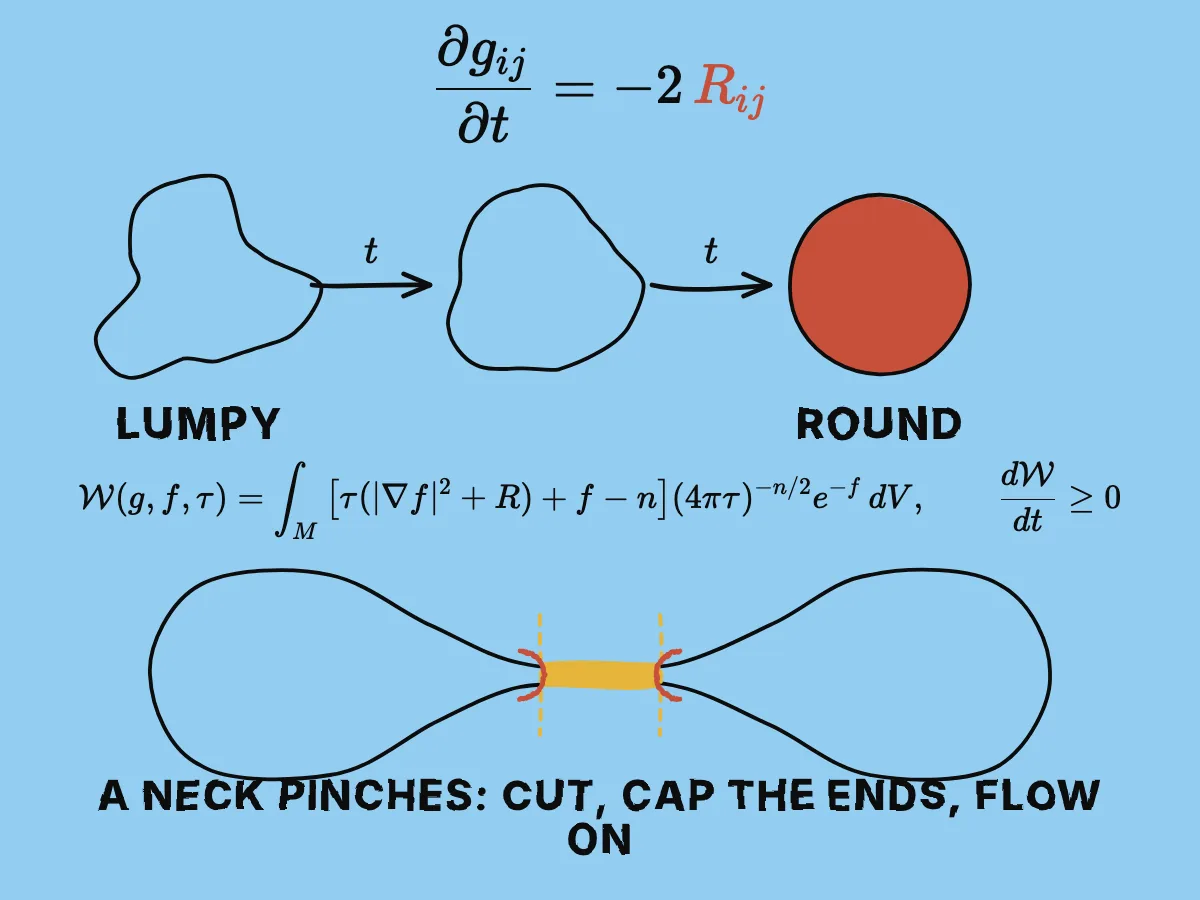
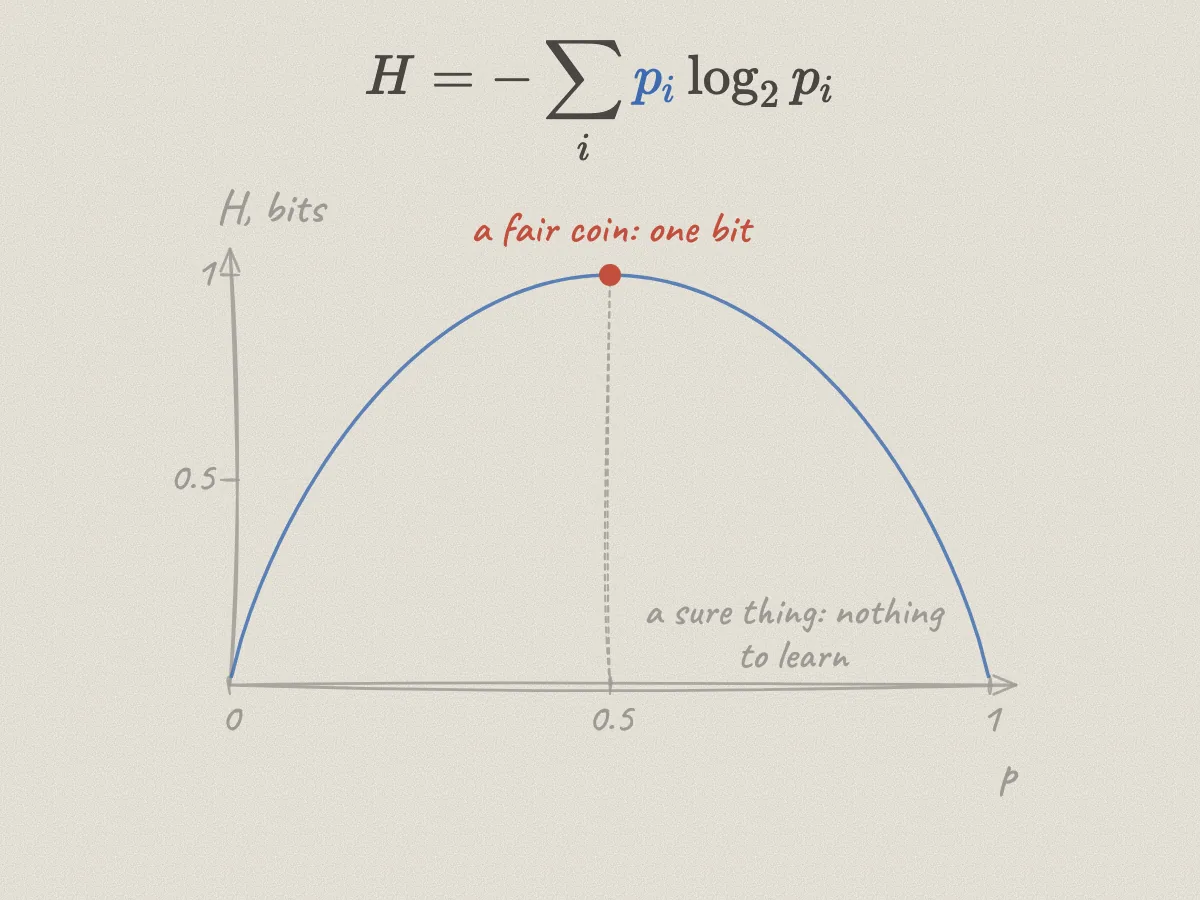
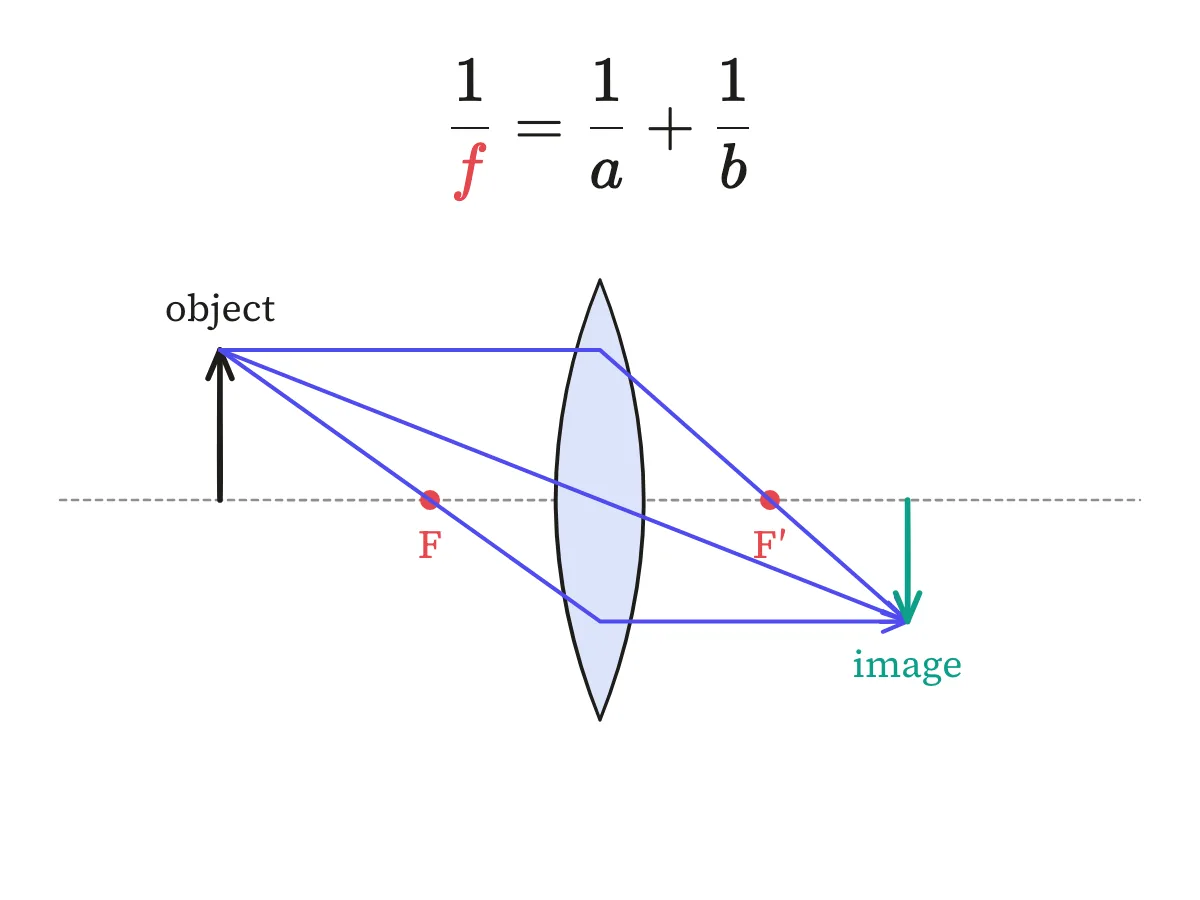
Głos, rysunki i tekst w dowolnym połączeniu. Przełączaj je, kiedy chcesz.
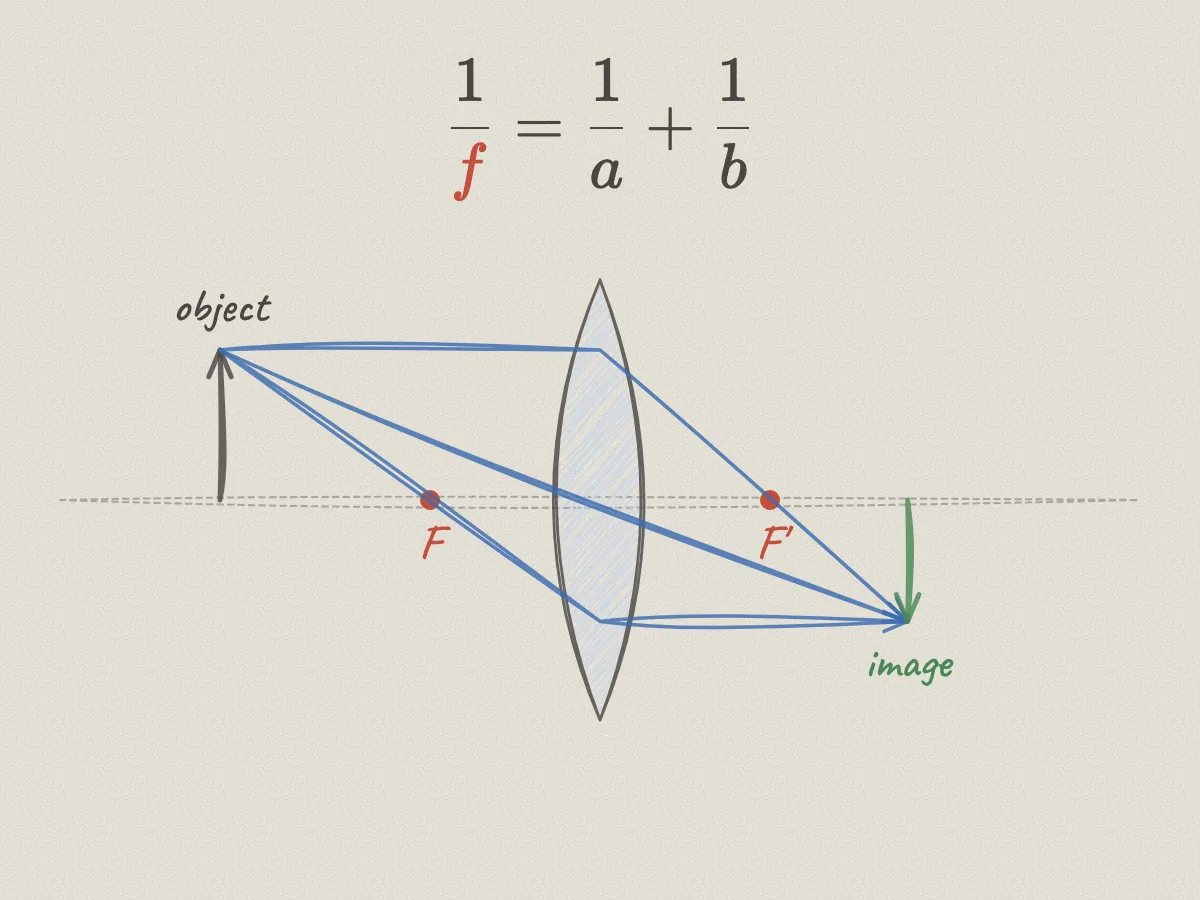
The first thing to know about a lens is how hard it bends light. Hold a magnifying glass in the sun: the rays arrive side by side, leave it leaning towards one another, and a little way behind the glass they meet in a bright dot. The distance from the glass to that dot is the focal length, and nearly everything else about the lens follows from it.
A lens is stronger when its glass is denser and its surfaces are more curved. Take ordinary glass, in which light travels one and a half times slower than in air, and curve both sides like a ball twenty centimetres across. Work it through and the focal length comes out at about ten centimetres: sunlight gathers into a point a palm's width behind the lens.
The book writes this as a formula, and we will come to it in a moment. It says no more than what we have just seen: denser glass or more curved surfaces, and the focal length gets shorter.
The distance from the glass to that dot is the focal length, and nearly everything else about the lens follows from it.
A lens is stronger when its glass is denser and its surfaces are more curved.
Rysunek na lewej stronie, tekst na prawej, a czytane zdanie wyraźnie wyróżnione.
Rysunek u góry, a pod nim bieżące zdanie. Albo sam głos na spacerze.
Zabierz ze sobą: MP3, MP4, EPUB, FB2, PDF.
EPUB, FB2, PDF lub DjVu. Tekst ze skanowanych stron jest rozpoznawany.
Poziom, język, sposób prowadzenia wykładu, styl rysunków, głos, własne przykłady.
Pierwsze dziesięć stron, z głosem i rysunkami.
Całą książkę lub pierwsze sto stron. Zobaczysz cenę, zanim cokolwiek powstanie.
Próbka jest bezpłatna. Potem cena zależy od ilości opracowanego tekstu i liczby rysunków — zobaczysz ją przed rozpoczęciem. Słuchanie głosu urządzenia nic nie kosztuje; narracja studyjna jest dodatkowo płatna. Doładuj saldo i wykorzystuj je na kolejne książki.
Prześlij książkęPodręczniki, książki naukowe i techniczne oraz każda wymagająca literatura faktu: filozofia, ekonomia, historia. Wzory są mile widziane.
EPUB, FB2, PDF, DjVu i zwykły tekst. W skanowanych książkach rozpoznajemy tekst.
Wykłady mogą być w wielu językach, a książkę w jednym języku można objaśnić w innym.
Tak. Przesłane pliki i wykłady są widoczne tylko dla Ciebie. Jeśli chcesz, możesz udostępnić wykład przez link.
Każda książka jest zapisywana jako sesja. Wróć w dowolnym momencie, by zmienić ustawienia, opracować dalszą część książki lub dodać format do pobrania.
Na pierwszym poziomie tak: książka jest czytana w oryginalnym brzmieniu. Na pozostałych poziomach jest opowiadana na nowo, z zachowaniem kolejności, wniosków i wyników.